


Students from the Bachelor of Public Administration Program at Parahyangan Catholic University (UNPAR) once again demonstrated their innovative capacity by earning top honors at Bandung Connecticity 2.0: “Bandung Connecticity for International Connecting.” The achievement came through the Smart City Innovation Scientific Paper Competition, which invited students to propose sustainable solutions for the development of Bandung as a world-class smart city.
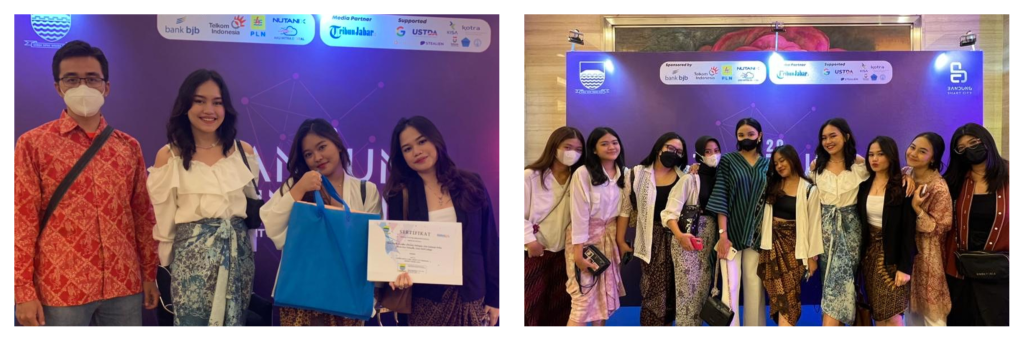
As part of the Digital Governance course supervised by Tutik Rachmawati, five student teams from the Public Administration Program advanced to the competition’s Top 10. The event brought together academics, government institutions, media, communities, and other stakeholders under a pentahelix collaboration model to generate innovative ideas for sustainable urban development.
One of the UNPAR teams, consisting of Andena Gracia, Anishakira, Fadia Aghnia, Zhafira Khairunnisa, and Krayon Ahmad, was awarded First Place for its proposal promoting a zero-waste approach to managing waste generated by the growing number of coffee shops in Bandung.
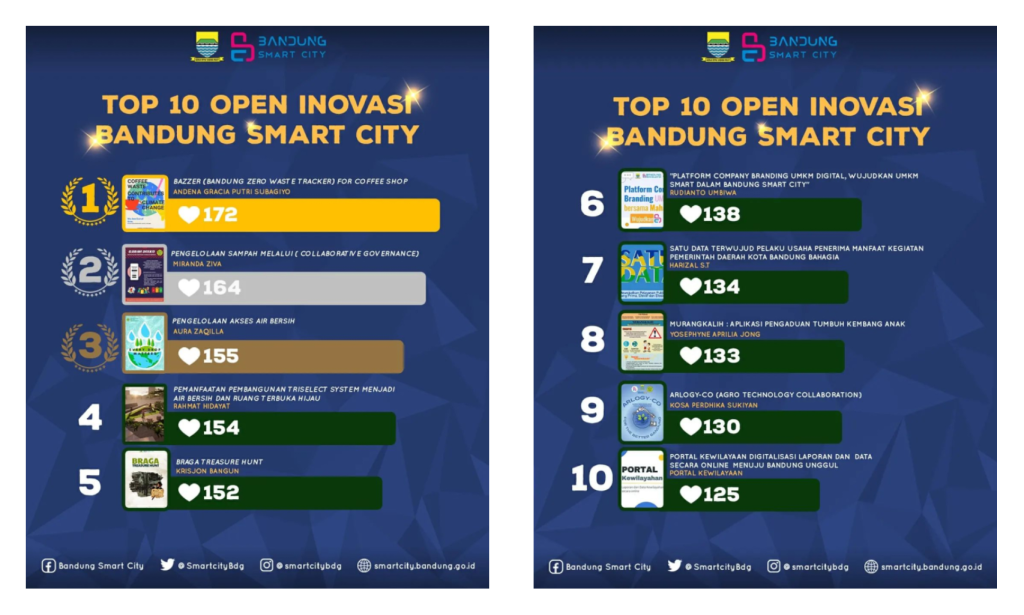
The team’s research highlighted the environmental impact of single-use plastic waste commonly produced by coffee shops, including plastic cups, straws, and takeaway packaging. Recognizing that plastic waste contributes to environmental pollution, landfill accumulation, and ecosystem degradation, the students proposed an integrated and collaborative strategy involving government, businesses, and local communities to encourage sustainable waste management practices.
Their proposal introduced three key innovations. The first was “InDay – Info Sadayana,” an educational campaign through the Bandung Smart City Instagram platform to raise public awareness about the environmental impacts of coffee shop waste. The second was a series of workshops organized jointly by the Bandung City Government, business owners, and local artisans to promote the recycling and creative reuse of coffee waste. The third innovation was BAZZER (Bandung Zero Waste Tracker), a digital application designed to support and monitor Bandung’s zero-waste movement by encouraging greater public participation in sustainable waste management.
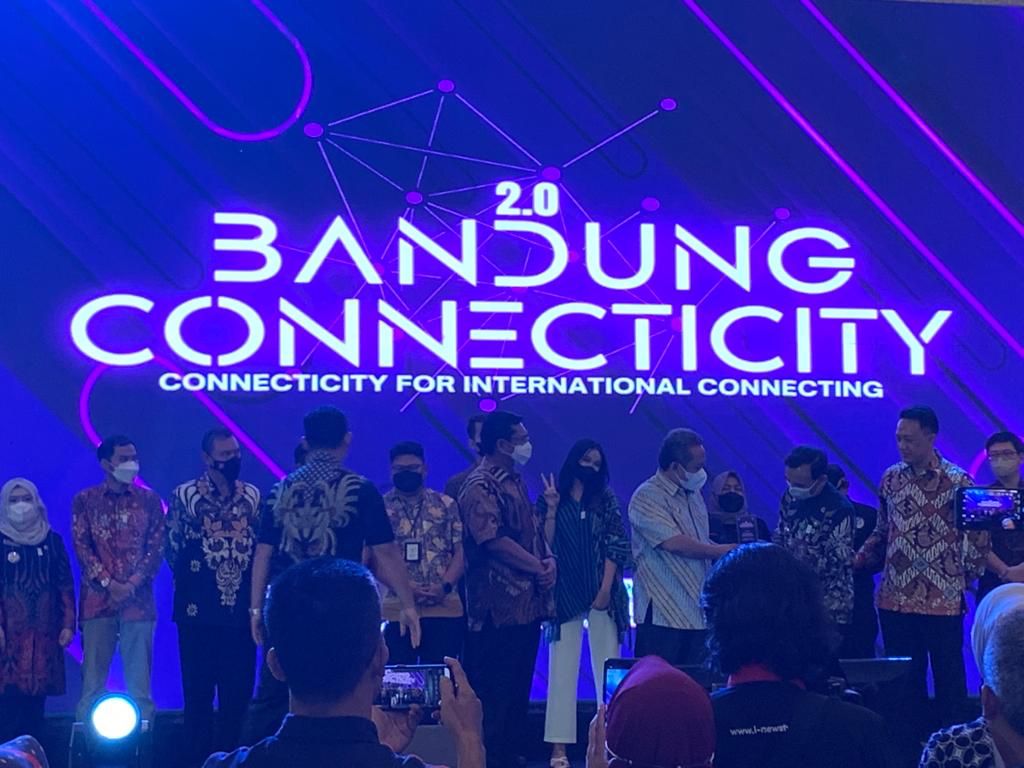
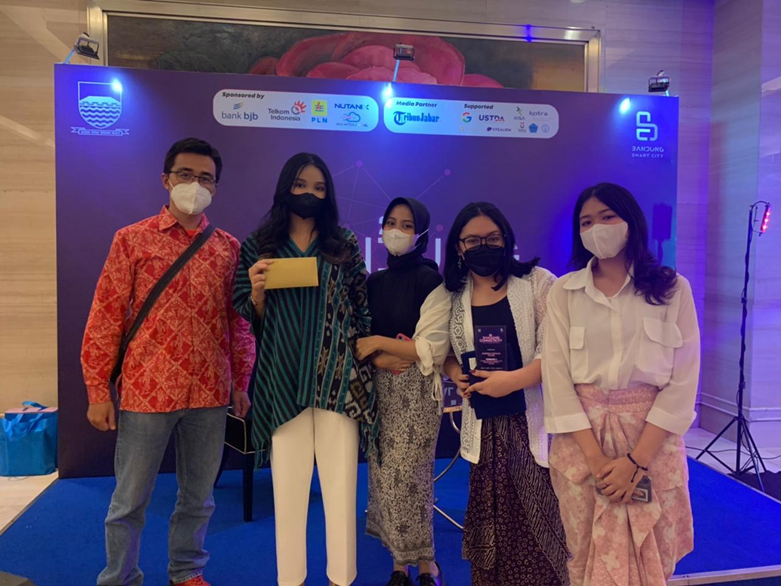
The proposed BAZZER (Bandung Zero Waste Tracker) application is designed to assist the Bandung City Government in monitoring plastic consumption and waste generation from coffee shops throughout the city. Under the proposed system, participating businesses would register on the platform and regularly report the amount of organic and inorganic waste they produce, as well as how the waste is processed or disposed of. The application would establish waste generation benchmarks, enabling the government to identify businesses that exceed the prescribed limits while recognizing those that successfully implement zero-waste practices.
Beyond serving as a monitoring tool, BAZZER aims to encourage the adoption of environmentally friendly packaging materials, reduce dependence on single-use plastics, and strengthen public participation in sustainable waste management. By combining digital monitoring with incentives and accountability, the proposed innovation seeks to support Bandung’s transition toward a more sustainable and environmentally responsible urban ecosystem.
The innovation demonstrated how digital governance can be applied to address environmental challenges through collaborative public policy solutions. It was this comprehensive and forward-looking approach that earned the UNPAR team the First Place Award in the Smart City Innovation Competition at Bandung Connecticity 2.0: “Bandung Connecticity for International Connecting.”
Bachelor of Public Administration Program
Faculty of Social and Political Sciences
Parahyangan Catholic University