


Preserving local wisdom and cultural traditions has become increasingly challenging in the era of rapid modernization. Nevertheless, Gelar Alam Traditional Village in West Java demonstrates that cultural heritage and technological advancement can coexist in harmony. This insight emerged from a 2025 research project conducted by the Public Administration research team of Parahyangan Catholic University (UNPAR), consisting of Muhammad Maulidza, Dr. Pius Sugeng Prasetyo, Dinda Biavinca, Windi Julia Wulandari, and Muhammad Andy Makruf.
The research found that Gelar Alam has successfully preserved its ancestral customs while embracing modern technology to improve the quality of daily life. The community has adopted electricity, television, internet access, and mobile technology without compromising the cultural values that have been maintained for generations. Residents also encourage younger generations to pursue education and opportunities outside the village while remaining committed to preserving their cultural identity.
The village itself has undergone several relocations and name changes throughout its history. Previously known as Sirnarasa, Linggarjati, Ciptarasa, and Ciptagelar, the community officially adopted the name Gelar Alam in 2023. These transitions were not merely administrative changes but were rooted in customary traditions and spiritual guidance, reflecting the community’s commitment to maintaining harmony between people, culture, and nature.


Under the leadership of Abah Ugi, the village continues to uphold a philosophy centered on simplicity, humility, and respect for tradition. This philosophy guides community life and demonstrates that modernization does not necessarily require abandoning cultural heritage. Instead, technological developments are carefully integrated in ways that strengthen rather than diminish traditional values.
One of the village’s most significant cultural traditions is Seren Taun, an annual thanksgiving ceremony held between August and September to express gratitude for the rice harvest and pray for future agricultural prosperity. Harvested rice is stored in traditional granaries known as leuit, symbolizing food security and the community’s deep respect for agriculture. During the celebration, residents also organize cultural performances and communal gatherings that reinforce social cohesion while attracting visitors interested in learning about Sundanese cultural heritage.
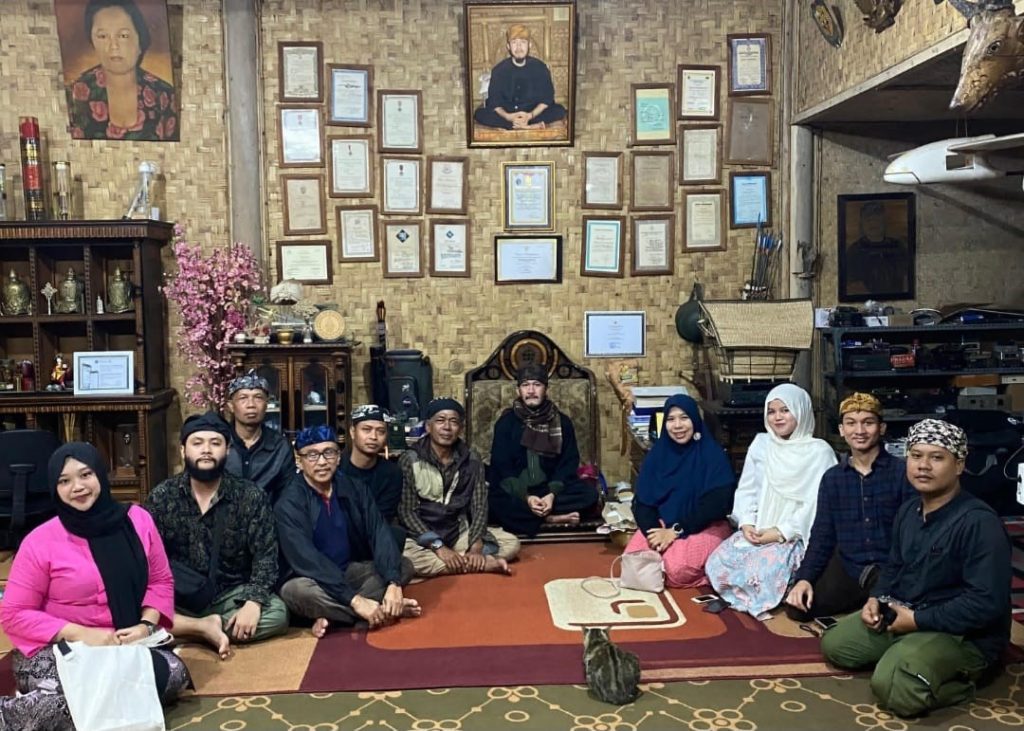
The research also highlighted the community’s distinctive agricultural practices. Rice remains the primary staple food and is cultivated using traditional methods passed down through generations. Rather than relying heavily on mechanized farming, the people of Gelar Alam continue to preserve customary agricultural techniques, reflecting their commitment to sustainability and cultural continuity.
The experience of Gelar Alam illustrates that local wisdom can remain relevant in the modern era when communities thoughtfully balance innovation with tradition. The village serves as an inspiring example of how cultural preservation, environmental stewardship, and technological adaptation can work together to support sustainable community development.
Bachelor of Public Administration Program
Faculty of Social and Political Sciences
Parahyangan Catholic University